


Eccos and Petrokemija – Digital Transformation of Truck Traffic
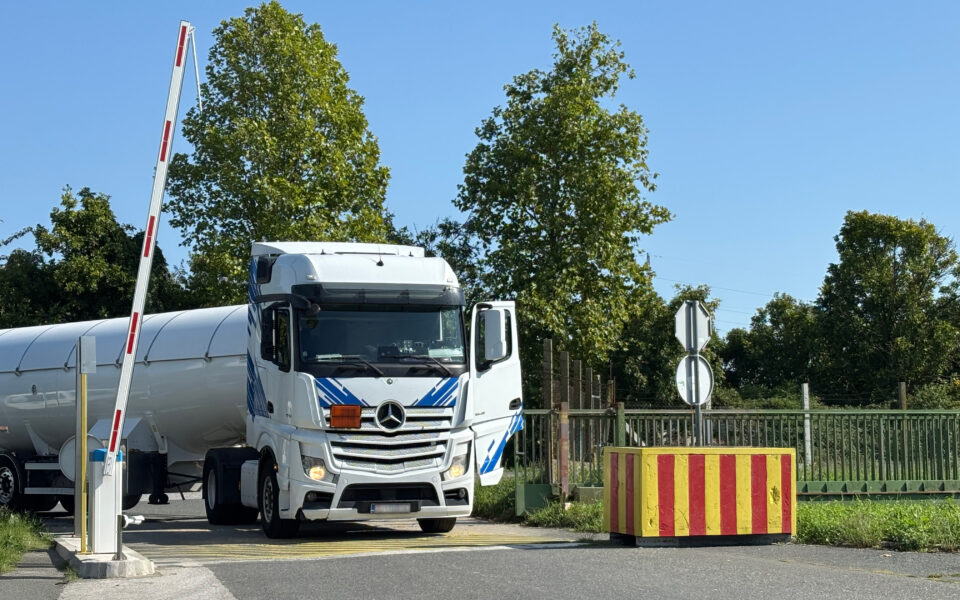
The digitalization of logistics at Petrokemija d.d. sets a new benchmark for industrial processes, demonstrating how the integration of advanced technological solutions can enhance efficiency, safety, and sustainability of transport within an industrial facility.
Petrokemija d.d., a fertilizer manufacturing company headquartered in Kutina, has been supplying Croatia and international markets with high-quality products for more than half a century. With an annual production capacity of 1.35 million tonnes, the company plays a key role in the development of the Croatian economy. Goods are dispatched via rail and road transport. Ensuring safe and reliable delivery to customers by road requires complex logistical processes in the organization of loading and dispatch, as well as precise planning and coordination.
In this context, logistics digitalization has become a key tool for the modernization and optimization of these processes. It transforms the way goods are moved, stored, and delivered, making the entire system more efficient and better suited to the challenges of today. Digitalization enables improved delivery planning, a reduction in empty runs, and a transition to sustainable energy sources such as electric or hybrid vehicles. At the same time, it supports more efficient resource management and reduces the consumption of energy, water, and other resources, thereby contributing to sustainability and environmental responsibility.
Traffic Management Before Digitalization: Challenges and Limitations
Before digitalization, the process of managing truck traffic within the factory had several practical limitations, making the entire process slow and inefficient. Driver registration was carried out using paper forms, which were often illegible and prone to human error. The waiting order was not clearly defined, and communication largely relied on telephone calls, requiring additional administrative effort in foreign trade and export operations. Monitoring vehicle movements and conducting vehicle and driver checks were limited, increasing risk and further slowing down the process. To overcome these challenges, Petrokemija d.d., in cooperation with Eccos developed solutions for more efficient truck traffic organization.
Functional Solutions
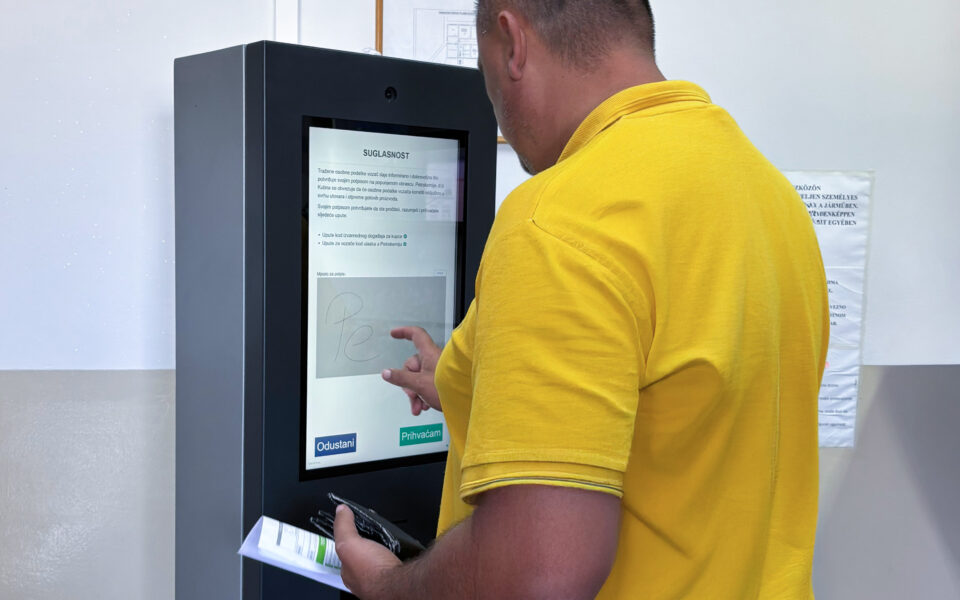
The project was divided into four functional units, which could be implemented partially or in full, depending on the investor’s needs. The first unit includes a traffic management subsystem with barriers and signalling for traffic control. The second unit focuses on driver registration, introducing an organized kiosk-based check-in system and a managed waiting queue. The third unit covers entry and exit weighbridges with an integrated system for data collection and transmission, while the fourth unit includes a physical and technical security system with an emphasis on safety and monitoring of vehicle and driver movements.
Logistics Digitalization with Epsimax
As part of the project, we implemented a comprehensive solution for optimizing truck traffic within the factory. The Epsimax integration platform enabled automated vehicle entry and exit via barriers and license plate recognition (LPR) cameras. Vehicle and driver registration is performed at kiosks equipped with document scanners, which, combined with prior vehicle and driver announcements, allows for faster entry, shorter registration times, and reduced waiting times before loading.
The system connects the investor’s ERP platform with the Epsimax integration platform and the technical security system, enabling monitoring of weighing operations, security checks of vehicles and drivers, and automatic verification of pre-registered vehicles, drivers, and dispatch documentation. Additionally, drivers can check current queue information on an external display or receive notifications via SMS, further improving overall process efficiency.
Achieved Improvements
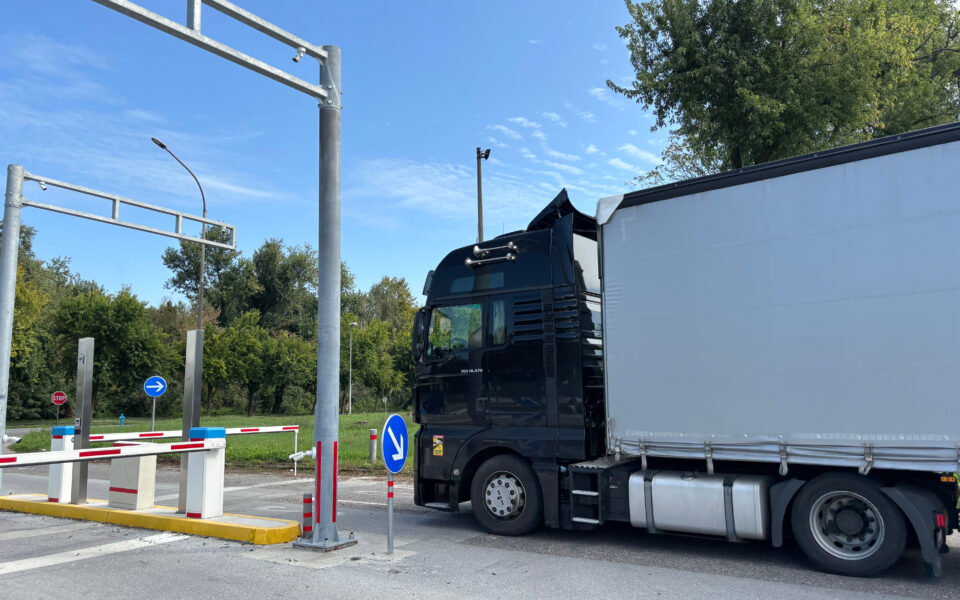
The system includes a truck video surveillance portal, cameras for monitoring the weighing process, vehicle movement tracking, and license plate recognition (LPR), cameras and radar units with warning signs for speed limit violations within the factory premises, and traffic barriers for traffic regulation. It also enables subsequent analysis of logs and process efficiency, ensuring continuous optimization and long-term security of the logistics process.
By implementing Epsimax, key improvements were achieved: organized and safe vehicle traffic within the factory, reduced risk of human error, full control over truck entry and exit, and faster goods reception and dispatch processes.
Safe and Efficient Logistics
This type of integration enables detailed monitoring and control of every truck and establishes a foundation for safe and efficient logistics within a complex industrial facility or similarly demanding logistics environment. Automation, digital monitoring, and traffic regulation ensure smooth operations with minimal risk of errors, significantly optimizing the overall transport system.
The digitalization of logistics at Petrokemija d.d. sets a new benchmark for industrial processes, demonstrating how the integration of advanced technological solutions can enhance efficiency, safety, and sustainability of transport within an industrial facility.